

Projects
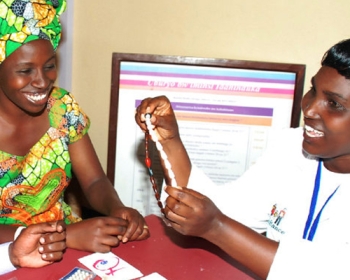
Ministry of Health and Child Care (MoHCC) in collaboration with Zimbabwe National Family Planning Council (ZNFPC), with technical and financial support from the United Nations Population Fund recently concluded the following three documents: i) Family Planning Strategy ii) CIP study iii) IUCD Study.
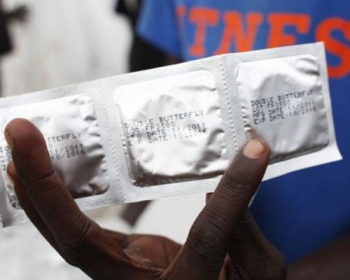
Finalization of the National Comprehensive Condom Programme Operational Plan reporting to the MOHCC AIDS and TB Unit in collaboration with UNFPA
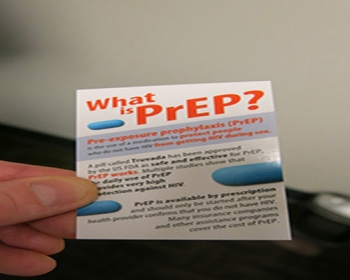
MDS facilitated the Costed Development of Pre-exposure Prophylaxis (PrEP) Operational Plan for Zimbabwe.
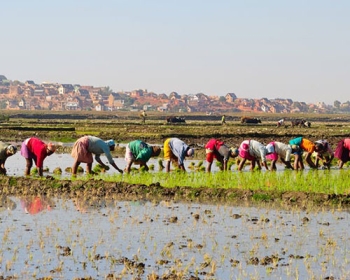
The Midterm review mainly serves the dual and mutually reinforcing objectives of steering and learning. Steering in the sense that the review process was to assess and report on performance and results of the R4 Rural Resilience initiative in southern Africa(Zimbabwe, Zambia and Malawi) and is expected to generate insights that inform any necessary strategic and programmatic adjustments.

This was an end of term evaluation which seeks to take stock of project achievements and their sustainability and lessons learned for future similar projects. Specific objectives included assessing progress, project effectiveness, lessons learned and best practices, documenting changes in production, use and effects of hermetic technologies
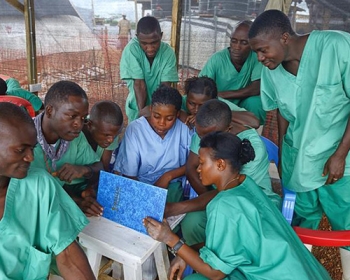
The Joint Program for Gender Equality (JPGE) was developed as part of the Zimbabwe United Nations Development Assistance Framework 2012-2015 cycle extended to the 2016-2020 cycle.
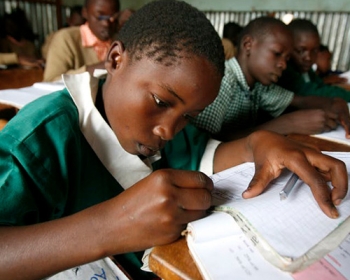
The assignment involved undertaking a rapid assessment of the status of gender and energy in Zimbabwe, taking into account the policy environment, legal frameworks, existing strategies and existing initiatives and programmes, including best practices.

MDS was contracted to undertake a Mid Term Evaluation of the Joint Programme on Prevention of Gender Based Violence (JPGBV) Against Young Women and Adolescent Girls.
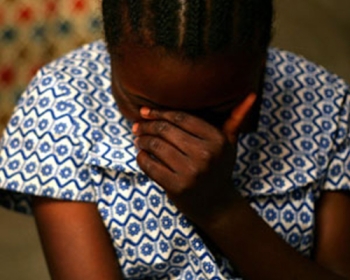
End term review of the Joint Programme on Elimination of Gender Based Violence (JPGBV) Against Young Women and Adole

The objectives of the project was to provide a better understanding of the media consumption habits and attitudes of Zimbabweans drawn from different geographical, demographic and economic backgrounds.
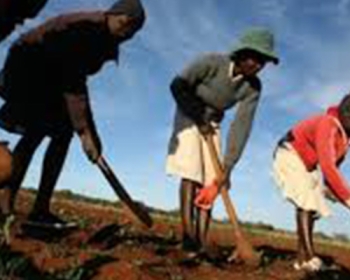
The purpose of the project was to undertake an assessment of the current level of vulnerabilities and resilience measures in place in the targeted communities by this action.
The project’s main objectives are to catalyse government coordination for Sexual and Reproductive Health (SRH) education policy development and implementation;
The evaluation analyzed the results of the programme achieved to date, provided detailed conclusions and formulated specific recommendations on future interventions of this nature.
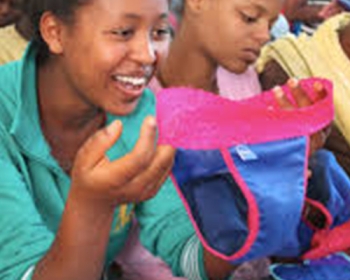
The research aimed to investigate and understand the range of challenge faced by in and out of school girls during menstruation as well as the determinants of those challenges-across a range of settings and cultural contexts, i.e rural/urban Zimbabwe; Identify positive deviants and their strategies.
In 2016, with support from UNFPA and other partners, the Government of Zimbabwe commissioned, through the MoHCC and the National Adolescent Sexual and Reproductive Health Coordination Forum, the process of developing national guidelines on the provision of youth friendly clinical SRH services in line with the 2015
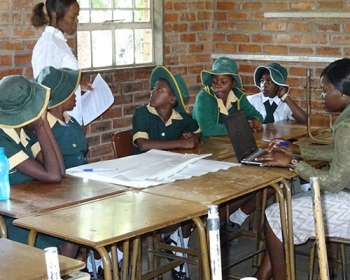
MDS established curricula to guide an integrated, harmonized and standardized National Case Management System, NSCM (at various levels) for the care and protection of children that facilitates access to social welfare, social protection, and justice and health services